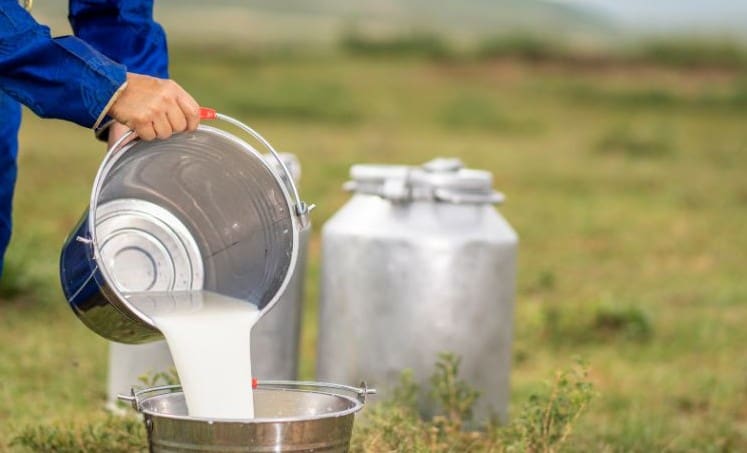
Image courtesy Canva
In light of recent reports of illnesses linked to raw milk across the U.S., Kansas State University dairy specialist Mike Brouk is reminding consumers of the risks associated with drinking it.
Each year, cases are reported where people, sometimes young children, become seriously ill after consuming raw milk. Some individuals have been hospitalized due to damage caused by bacterial endotoxins present in unpasteurized milk.
Brouk emphasizes that grocery store dairy products are made from pasteurized milk. Pasteurization uses heat to destroy harmful pathogens, heating every part of the milk to a specific temperature for a set time. Finished products are also tested to ensure they are free from bacteria that could harm consumers.
According to the U.S. Food and Drug Administration, raw milk can contain a variety of disease-causing pathogens. Pasteurization effectively eliminates these without significantly affecting milk’s nutritional value.
While not everyone who drinks raw milk will become ill, those who are immunocompromised, very young, or elderly are at higher risk. The bacteria of most concern include E. coli, listeria, salmonella, and campylobacter, all of which can have serious health effects.