By Trish Svoboda/Images courtesy of Nature Reach, Pittsburg State University
Since its founding in 1985, the Nature Reach program at Pittsburg State University has grown into a unique educational resource, bringing live animals directly into classrooms while training college students for careers in veterinary medicine, wildlife management, and environmental education, as well as teaching basic life skills. The program aims to spark curiosity, empathy, and environmental awareness among children, especially those who may not otherwise have access to outdoor experiences.
Originally started by Dr. Pat Silovsky of Milford Nature Center and biology professor Dr. Cindy Ford, the program began with raptor rehabilitation and outreach programs in local communities. Over the years, Nature Reach has evolved to focus on classroom programs, day camps, and student training.

“You’re not going to find another entity in this region that can do what we do here at PSU,” said Delia Lister, PhD, Nature Reach director and biology lecture instructor. “We help teachers become better educators, and we provide some real-world training to those college students who want to go into careers from veterinary medicine to wildlife management.”
Lister, who has been involved with the program since undergraduate studies and has led it since 2006, said the program emphasizes hands-on learning for students. She said students “handle most of the day-to-day care, from feeding animals, to cleaning up after them.”
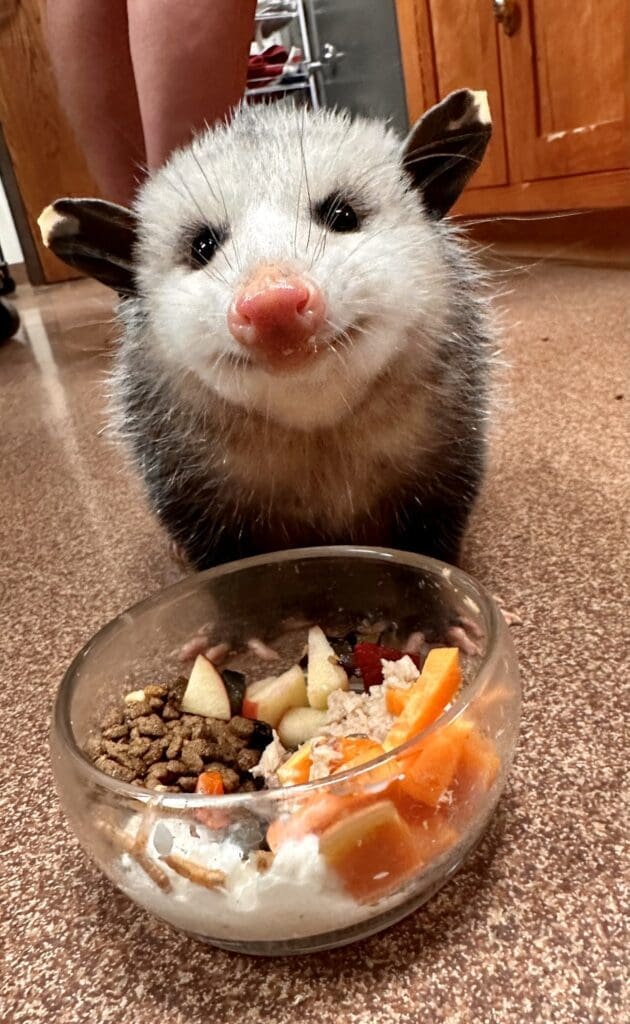
The animals are “mostly rescues from individuals, but they also come from wildlife rehabilitation centers that need to place non-releasable animals who still would have a good quality of life.”
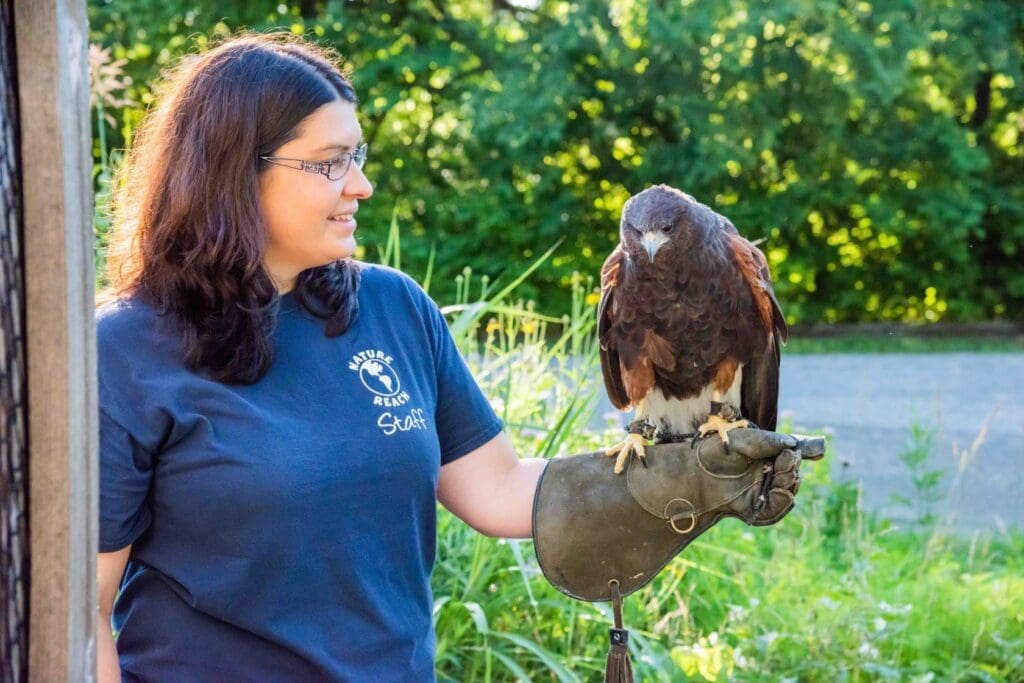
Special projects, like raptor necropsies with local veterinarians, teach students anatomy and animal care techniques.
“We actually cut open a road-killed hawk or owl. And then we can show the anatomical differences between each bird and why their nutritional needs might be different. We show the students, for example, how little tissue there is on the foot of a bird and why we must change out our perches and our perching materials for these captive birds so that they don’t develop something called bumblefoot or sores on their feet, which can ultimately be pretty painful for the bird and really problematic for us to treat,” Lister said.
Technology has also expanded programming, allowing educators to combine live animals with videos, sounds, and photos to enhance learning. Nature Reach is also growing through partnerships like AmeriCorps with the Kansas Association for Conservation and Environmental Education, helping to expand outreach while supporting students in leadership roles.
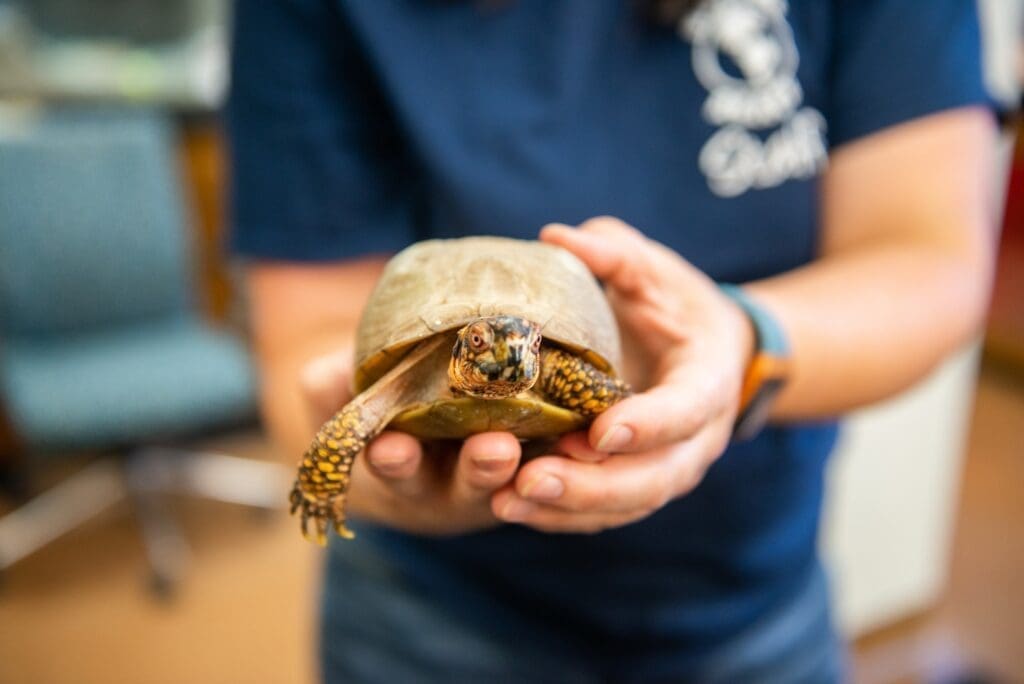
While the program had to close its wildlife rehab portion due to funding, it still connects the community to resources for injured animals through apps like Animal Health Now.
Lister emphasizes the importance of connecting children with nature, fostering scientific literacy, and encouraging community support for environmental education.
“There’s a need for environmental education and scientific literacy for kids of all ages to appreciate our planet and respect everyone living on the planet, which does include animals. That’s never been so important,” she said. “Get outside and into nature in whatever way you can and bring those kiddos with you!”
More information about the Nature Reach program can be found on its website and Facebook page.
Those seeking wildlife rehabilitation centers can find resources at Animal Health Now.