Image courtesy Canva
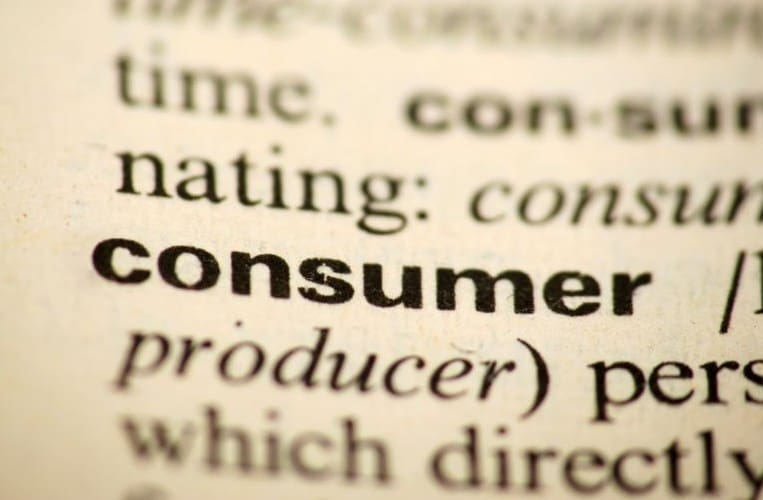
When a product doesn’t meet a buyer’s expectations, consumers in the United States have options beyond sending an angry email or making a phone call. There are established consumer rights that allow people to address problems with products or services. Over time, a consumer movement has developed to protect these rights, though public attention to it rises and falls. Educating consumers about their rights is important, as many people assume there is little they can do when a purchase is unsatisfactory.
“In our country, we do have consumer rights,” Elizabeth Kiss, Kansas State University family resource management specialist, said. “And over time, there has been a consumer movement – it sort of waxes and wanes – but I’ve been on a bit of a mission to educate consumers about our rights because often we think that there’s nothing we can do,” when a product or service is undesirable.
Consumers in the United States have several key rights. They have the right to basic needs like food, clothing, shelter, health care, education, and utilities, as well as the right to safety from harmful products or services. They have the right to be informed about what they are buying and to choose whether or not to participate in a product or service.
In addition to federal laws, many states provide extra consumer protections. Nationally, three main agencies help: the FCC handles phone, internet, and TV issues; the FTC protects against scams and unfair business practices; and the CFPB oversees banks and lenders. These agencies exist to help consumers know and use their rights, not to create conflict with businesses.