Photo Courtesy of Canva
As temperatures cool down, people may decide to work on equipment and small engines inside, which can create carbon monoxide. Carbon monoxide is a colorless, odorless, and tasteless gas, posing a significant risk to human health.
According to the Centers for Disease Control and Prevention (CDC), an average of 400 people in the United States die from carbon monoxide poisoning each year.
More people died from accidental carbon monoxide poisoning in 2022 than in any year since at least 1999. The number of deaths increased by 85.7% from 2012 to 2022.
K-State Professor of Agriculture Mitch Ricketts detailed what causes this dangerous gas in the home or garage.
“We tend to see very high levels of carbon monoxide if we have fuel-fired equipment that’s not properly vented to the outdoors.”
“In our homes, this can be things like a furnace that may have a crack in a heat exchanger, or it could be a water heater that does not have the flue properly aligned.”
“In our garages, if we run an engine in the garage, we will get very high levels of carbon monoxide. And if that garage is attached to the house, that carbon monoxide then can travel into the house.”
It is essential to have the furnace in your home in the fall or early winter. Other equipment, such as gas stoves, fireplaces, and water heaters, need to be properly ventilated.
“When we have any types of fuel-burning appliances indoors, things like water heaters, gas stoves, fireplaces, that sort of thing, they do need to be vented properly.”
“We want to be very careful about operating equipment in sheds and garages. We want as much ventilation as we can get. If there’s any way possible to work on that equipment outdoors, that is much safer.”
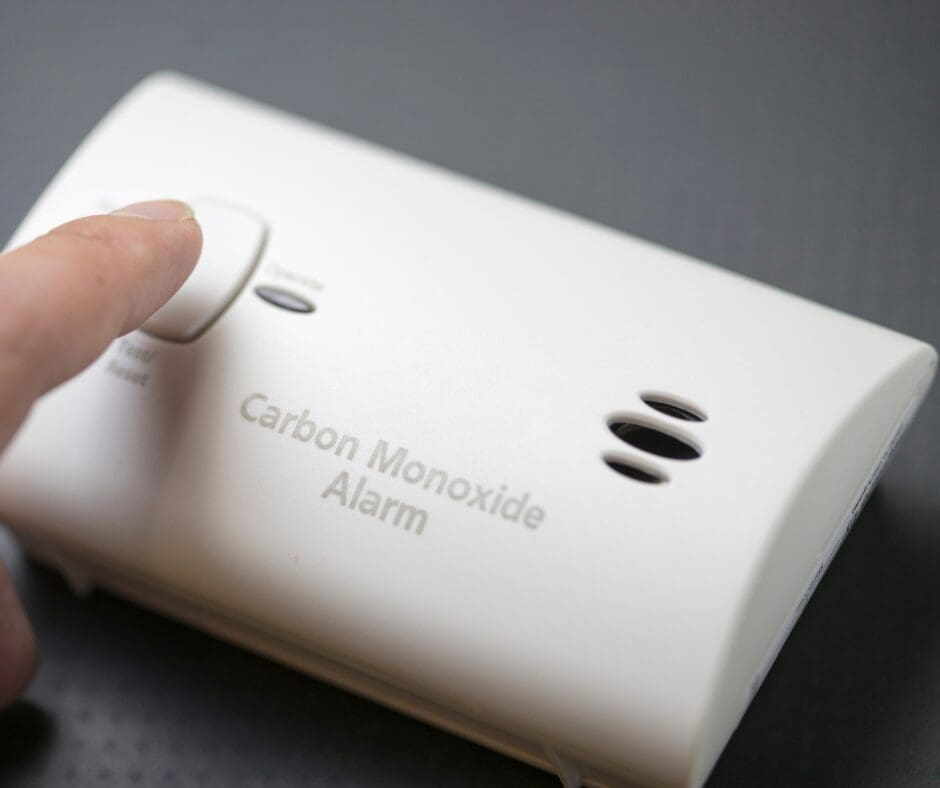
Installing carbon monoxide protectors throughout your home is one step in keeping your family safe this winter.