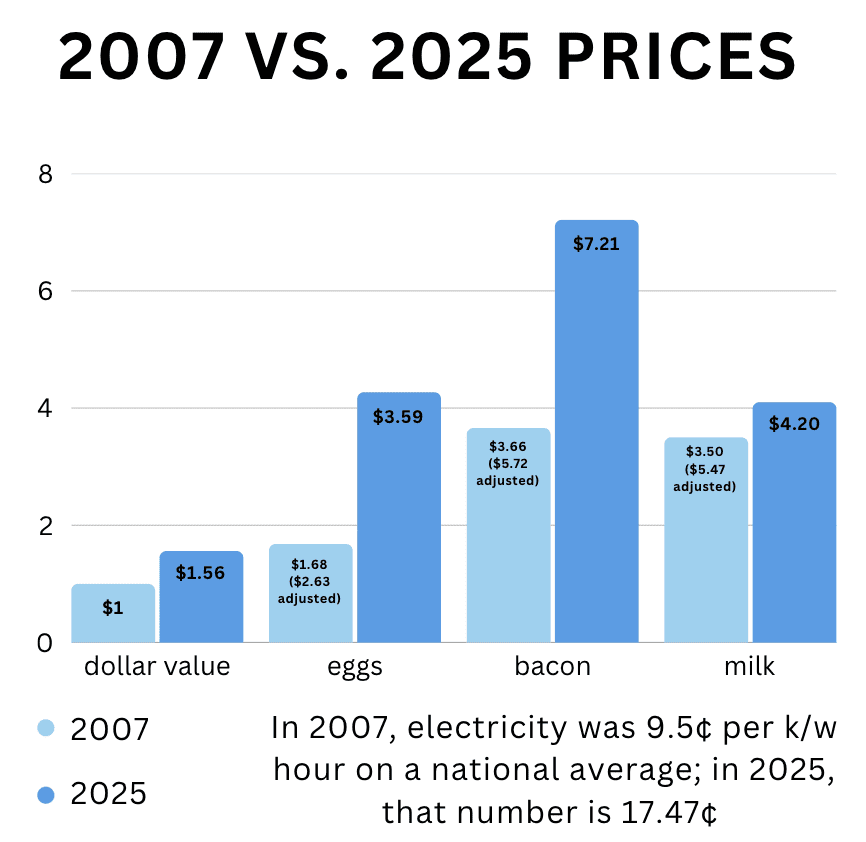
Water rates from Clay Center Public Utilities Commission (CCPUC) have not changed since 2007. As of January 2026, that will change. On October 21st, Clay Center City Council unanimously approved rate increases between 2026 and 2030 after the PUC reported it has been operating at a loss, paying differences with the PUC’s cash reserves.
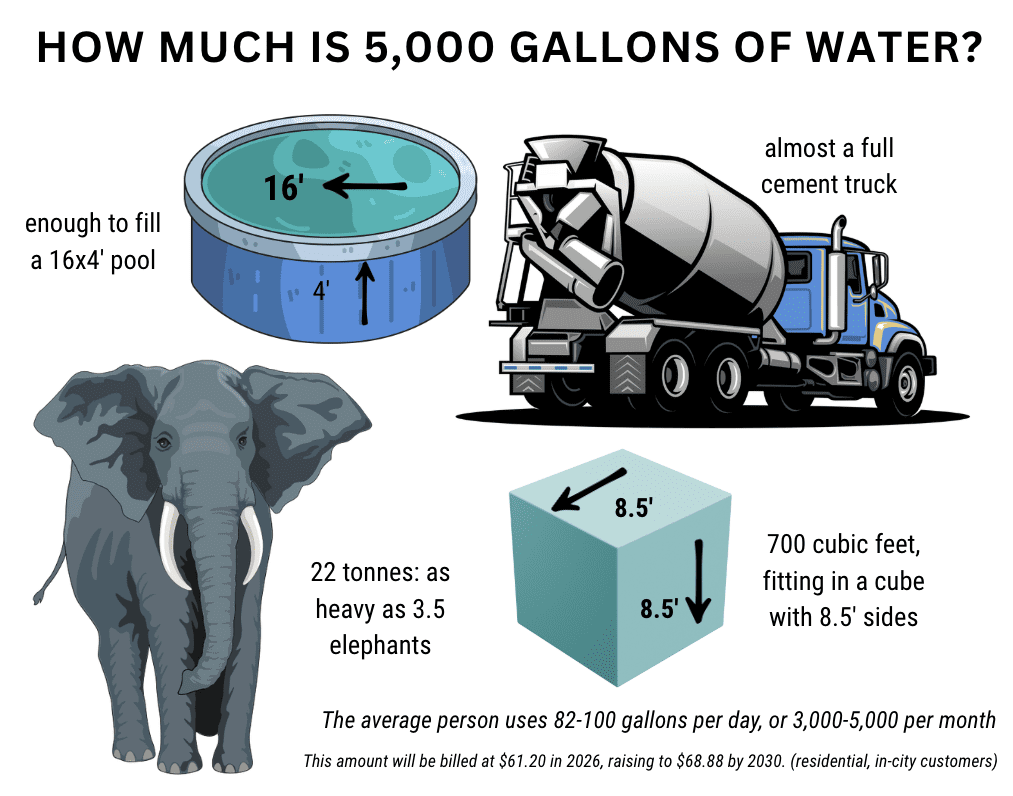
Water services will begin with a 20% increase in 2026, followed by a 3% increase annually through 2030. For a standard residential user within city limits, the minimum monthly charge will go from $33 to $36.00, which includes 100 cubic feet of water and the meter fee cost of $3.60. By 2030 that will reach $40.52, with the meter cost of $4.05.
Different rates are also provided for those with a larger meter, businesses, users outside of city limits, municipal and wholesale customers.
“Looking back now, we wish we could’ve done some things differently,” said CCPUC Superintendent Scott Glaves. “Starting with that initial jump is not what we wanted to do, but with inflation, that’s what we need to do to stop operating in the negative.”
Glaves said he collaborated at the state level to set fair rates for Clay Center residents, along with rural customers who use CCPUC’s water services. This includes businesses and the City of Morganville and Clay County Rural Water District #1.
Water Services Financial Specialist from Kansas Municipal Utilities, Beth Warren, also spoke at the meeting via Zoom. Warren assisted Clay Center with its water rate study and facilitated the refinancing of water treatment plant in 2020.
Without the rate increase, Warren said CCPUC would lose $335,061 by 2026, and a total of $521,461. With new rates, the PUC’s net revenue will sit just north of $80,000 by 2030.
Council members pointed out this total is still risky, pending the need for an expensive repair. The state also recommended a minimum of 180 days of operating cash in reserves.
“I think after 18 years we probably should’ve seen this coming,” said Councilman Daton Hess. “We’ve been through this with wastewater, the streets,” indicating the increase in city expenditures.
In total, this accounts for just over a 1% annual water rate increase since 2007, far below the inflation rate of 2.51% per year.
“You want to kick the can down the road but eventually it comes to bite you,” said Mayor Jimmy Thatcher. “We have really good water and we can’t operate in the negative. If we don’t have water, then we’re not doing our citizens any favors.”
Glaves said the budget was created on a five-year plan, as PUC is obligated to do another water price study in 2029 with the payoff of Clay Center’s wastewater plant. Debt service to the state, which accounts for about $550,000 annually, will be paid in August of 2032. Once those fees are paid, water fees may change, Glaves said.
“We owe it to our rate payers to see that they are getting the best price, but inflation is going to be the big variable in this.”