By Trish Svoboda/Images courtesy of the Street Cats Club
Emporia has seen a growing movement to help stray cats thanks to the efforts of Street Cats Club, a nonprofit organization focused on humane cat care and population control. Initially operating under the Humane Society of the Flint Hills, the organization eventually became an independent 501(c)(3) and a licensed shelter.

The group was created after founder Victoria Partridge noticed a large number of homeless cats in the community and wanted to address the problem, as local shelters were already overwhelmed. Street Cats Club began by focusing on TNR, which stands for trap, neuter, and return, a method where stray cats are humanely trapped, spayed or neutered, vaccinated, and returned to their original locations to prevent population growth.
“I started seeing if there was anything going on like that in our community already and there really wasn’t. There were some groups that were doing it on a very, very small scale, but with the estimated number of stray cats that are in this community, it really needed to be something that was focused on. So, I reached out to a group in Wichita called Friends of Felines Kansas and learned more about TNR with them.”
The group manages an extensive wait list of about 2,000 cats across roughly 300 colonies, serving Lyon County and surrounding areas, including Chase and Coffey counties. Partridge said residents can submit information on the website with locations of colonies that need assistance. Colonies are prioritized based on need, with pregnant cats given the highest priority to prevent additional litters.
Street Cats Club also supports local caregivers with resources such as food programs, and foster care for sick, injured, or orphaned kittens. They also work with them to make sure all those cats are getting fixed and vaccinated so the primary mission is being upheld.
During the winter months, the group distributes winter shelters made of styrofoam and straw. “Those are available to anybody, even if they’re not a colony caregiver,” said Partridge. “If they are a person who has a single outdoor cat that they just happened to feed, or an indoor outdoor cat that they want to have a winter shelter for. We just give those out for free.” Over the years, the organization has distributed more than 10,000 pounds of cat food, 700 winter shelters, helped over 2,000 cats through TNR and more than 750 through foster care.
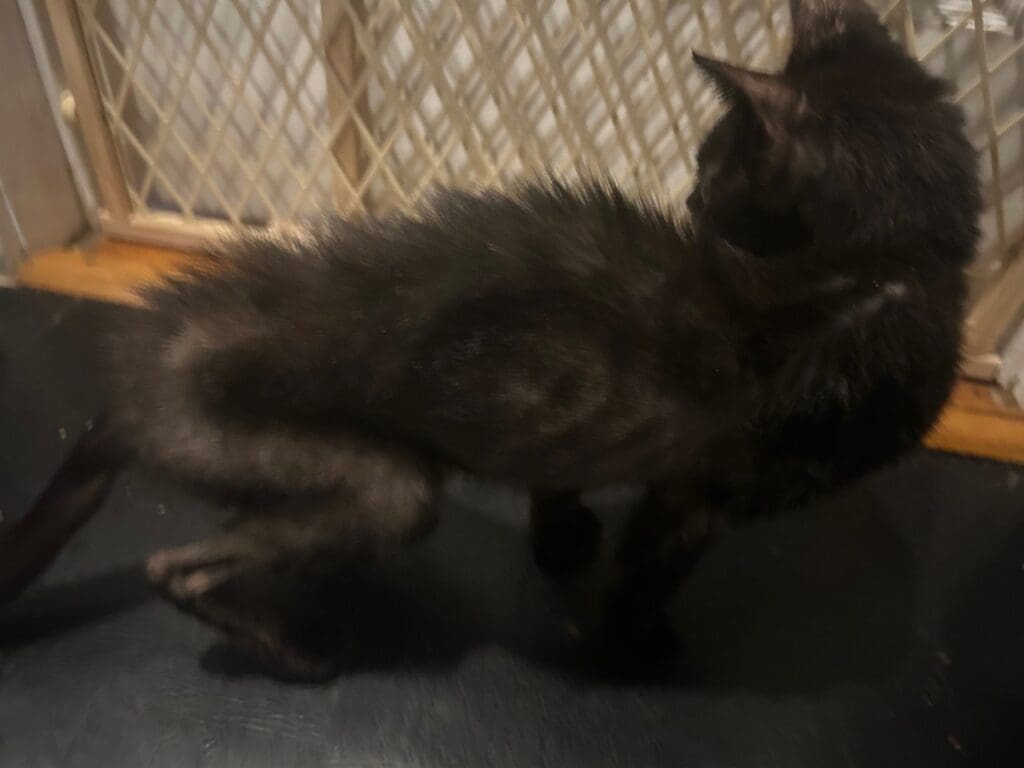
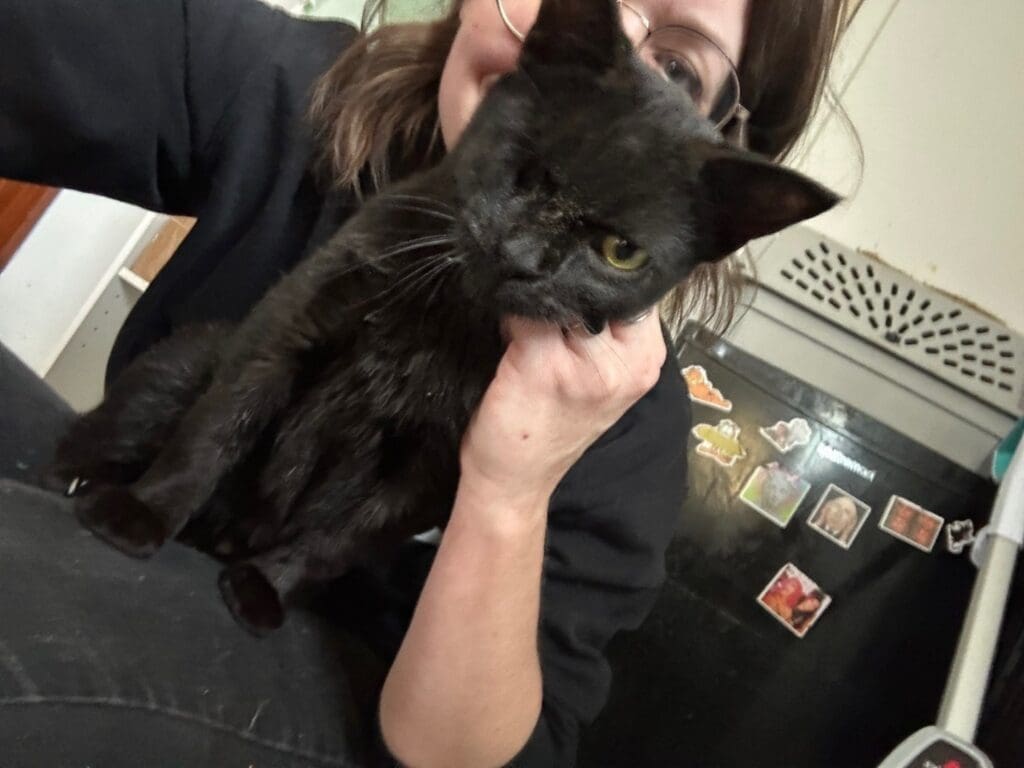
One recent success story Partridge shared involved an emaciated, one-eyed cat that a concerned resident contacted them about, which now goes by the name Eve. “I went and I checked it out on the basis of looking at the picture sent to us. So, I go and check out this cat. She’s missing one eye, but I can tell it’s been surgically removed. She did not have a microchip in her, but having that eye surgically removed and that she was already spayed, I know that she was somebody’s own cat at one time. I think that she had gotten outside somehow and just was not able to survive. She was about 50% of her body weight and I remember telling our foster director, I’m not sure she’s going to make it through the night. Well, that was 2 months ago and now she is about to go up for adoption. She’s doing so good.”
Being an all-volunteer group that runs without city funding, Partridge said they are always looking for more volunteers and accept any kind of financial support offered. “There are a lot of different ways that people can volunteer, whether it is working in the front line helping us with trapping cats or fostering cats, or if it’s on the back end with some of the administrative stuff, writing grants, helping us with our social media, or even joining our board of directors, which is just an incredible group of humans that are really passionate about the work that we’re doing.” They currently have about 40 volunteers. “We could not make the incredible impact we do without everybody that works with us.”
Apart from day-to-day operations, the organization hosts annual fundraisers, including Lolapalooza, which supports its grant program, Lola Love Fund, that provides free spay and neuter for low-income cat owners, and in October they host the Black Cat Ball, a Halloween-style gala.
Street Cats Club encourages other communities to start similar initiatives. Partridge emphasized collaboration, noting that no single person can handle the effort alone and that volunteers are key to the organization’s success. Anyone can reach out any time for help in finding resources and getting started. “I’m always here to have a Zoom call with anybody who is interested with picking my brain, troubleshooting, trying to find resources in their area.”
For more information about Street Cats Club, to volunteer, or to request resources, visit StreetCatsClub.org.