Image courtesy Canva
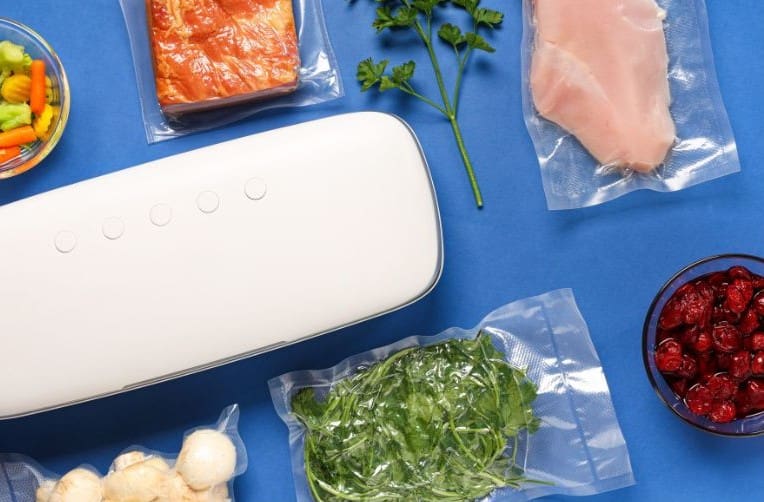
Vacuum-packaged foods offer many benefits, but food establishments must also be aware of important safety concerns. Removing oxygen from packaging can slow the growth of some spoilage microorganisms, reduce rancidity and color changes, and extend the shelf life of cold-stored foods.
However, this process also creates an anaerobic environment similar to canning, which can allow Clostridium botulinum to form spores, according to Karen Blakeslee, Kansas State University food scientist. She said these spores can develop a deadly toxin if proper storage conditions are not followed. To reduce risks, food establishments must use at least two safety barriers. Options include refrigeration below 41°F, maintaining a pH of 4.6 or lower, water activity at or below 0.91, freezing, using inspected and properly cured meat or poultry products, or relying on high levels of competing microorganisms such as those in raw meat or poultry.
Along with these safeguards, staff must be properly trained in packaging procedures. Common foods packaged this way include meat, poultry, seafood, fresh vegetables, and fruit. The method is also popular because it helps save freezer space. Safe handling practices—such as washing hands and using clean equipment—remain essential to prevent cross-contamination.