By Jennifer Theurer
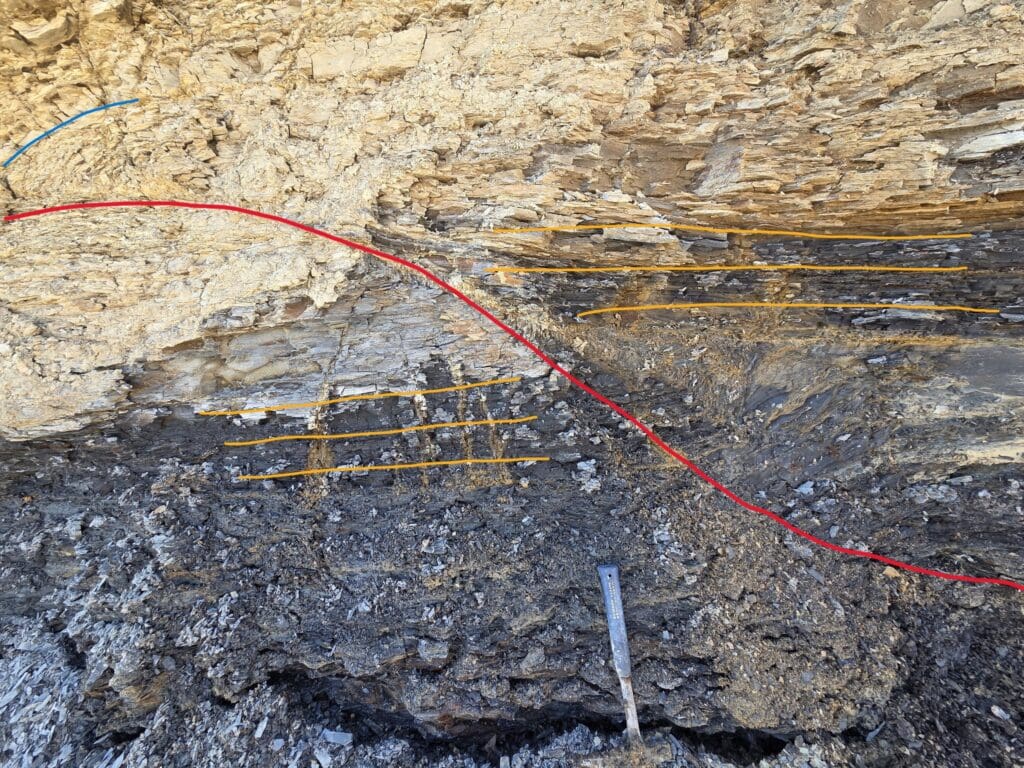
A recent post on the Kansas Geological Survey’s Facebook page showed a fault in the rock layers of Riley County. No, there isn’t an increased risk of earthquakes, it simply means the layers were moved and created a fracture in the layers. In fact, Alan Peterson a geospatial analyst with KGS said faults are fairly rare in Kansas because they are found in older layers of rocks.
“If you start in the west part of the state, you’re looking at younger rocks,” Peterson said. “And as you move to the eastern part of the state, you’re looking at older rocks because the younger layers in the east have all been stripped away and eroded downhill.”
Older layers of rocks have been exposed to geologic forces longer, meaning the older layers may be the result of some truly earth-shattering events.
Peterson said the tectonic episode that created the Appalachian Mountains would have also affected Kansas but since we were so far away the results would were less obvious. Much like there being more damage near the epicenter of an earthquake than there is one hundred miles from away.
Peterson said this fault in Riley County is a thrust fault, meaning the shale that was fractured was more malleable than the limestone layers above and below it therefore it was pushed up and over itself. He said most of the faults found in Kansas are normal faults that bring younger rocks over older ones and move at an angle.
He added, “I hadn’t really seen a thrust fault in Kansas at the surface before. That’s why it was unusual.”