Image courtesy Canva
The Kansas Department of Health and Environment (KDHE) reminds Kansans that March and April are peak months for rangeland burns, especially in the Flint Hills. Prescribed fire helps preserve the tallgrass prairie, control invasive species, reduce woody encroachment from trees like Eastern Red Cedar, and improve forage for cattle. Burns also lower wildfire risk and support rangeland management.
Smoke from these fires can affect air quality in downwind areas. KDHE activates the Kansas smoke modeling tool on March 1 to predict smoke impacts using fire data and weather conditions. Each year, roughly 2.1 million acres in the Flint Hills of Kansas and Oklahoma are burned.
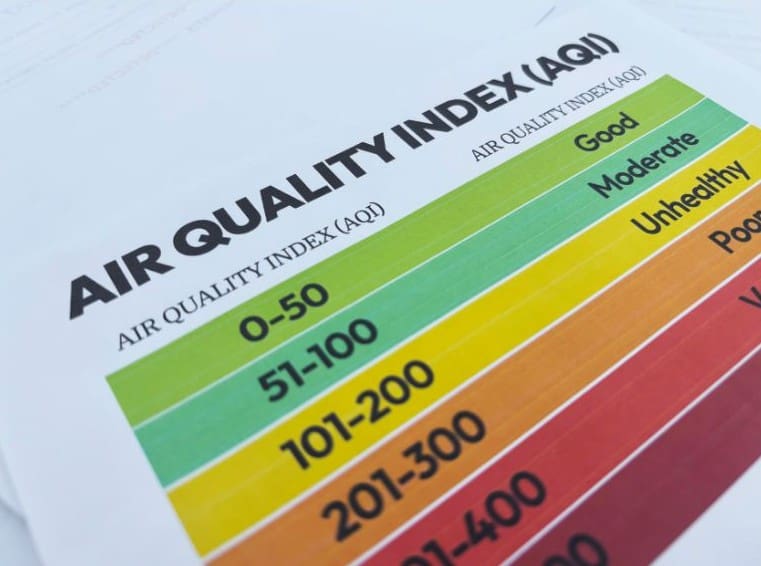
Smoke releases particulate matter and ozone, which can cause eye irritation, coughing, runny nose, or bronchitis. People with respiratory or cardiovascular conditions, children, and the elderly are most at risk. Limit outdoor activity, stay indoors, use filtered air, stay hydrated, and contact a doctor if severe symptoms occur. More details are available on the Kansas Flint Hills Smoke Management Website.