Image courtesy Canva
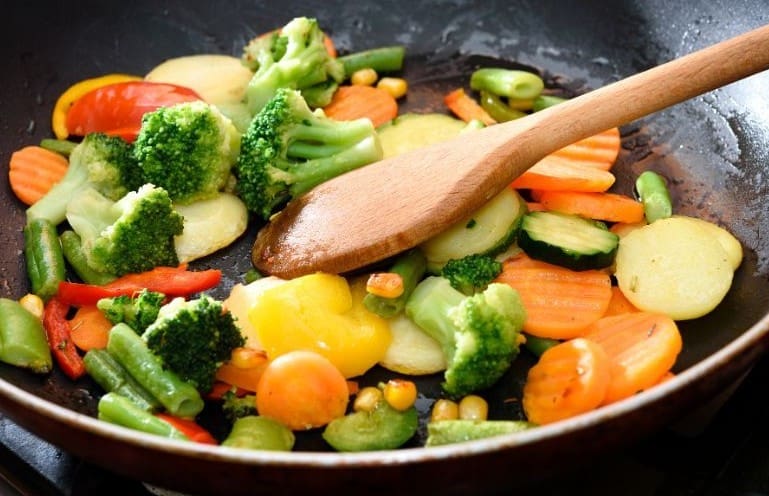
Not all potatoes—or vegetables—taste the same depending on how they’re prepared. Kansas State University food scientist Karen Blakeslee explains that a whole baked sweet potato can taste very different from baked slices of the same vegetable. Cutting changes the cell structure, allowing natural sugars and proteins to react with heat, which creates new flavor compounds.
This process is linked to the Maillard reaction, a chemical reaction between amino acids and sugars in the presence of heat. It’s the same reaction responsible for the browning of meat, bread, and coffee beans. While often desirable, it can sometimes be harmful, such as in improperly stored dry milk powder. The Maillard reaction is distinct from caramelization, which involves the breakdown of sugars when making foods like caramel candy.
Cooking methods can dramatically change the way vegetables taste, turning once-disliked foods into favorites. For example, roasted brussels sprouts often taste sweeter and more appealing than when steamed or boiled. Shredding them raw for slaw offers yet another way to enjoy their flavor. Exploring different preparation methods can add variety and transform everyday meals.