Image courtesy Canva
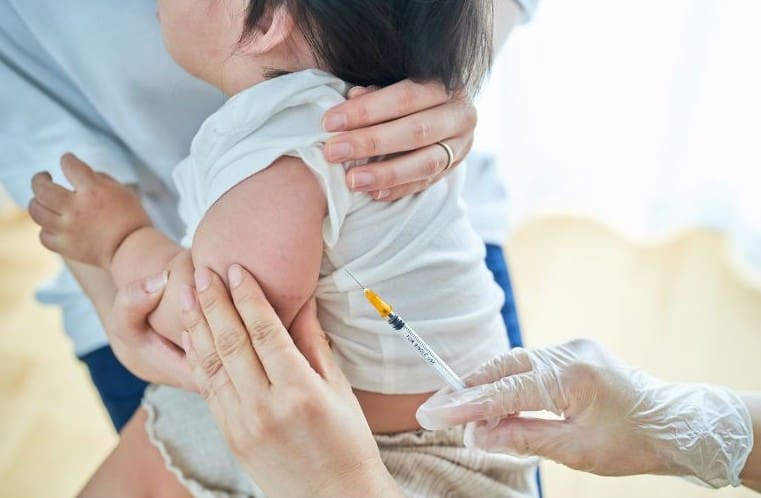
The U.S. Department of Health and Human Services announced it has approved changes to the childhood vaccination schedule following a review of international practices. Acting CDC Director Jim O’Neill accepted recommendations from a scientific assessment comparing U.S. immunization schedules with those of 20 peer developed nations. The review found that the U.S. recommends more vaccines and doses than most other countries but does not achieve higher vaccination rates. Many other countries give children fewer routine vaccines but still keep them healthy by focusing on public trust and education instead of strict requirements.
The updated schedule organizes vaccines into three categories: those recommended for all children, those for high-risk groups, and those based on shared clinical decision-making. Key vaccines for measles, mumps, rubella, polio, pertussis, tetanus, Hib, pneumococcal disease, HPV, and varicella remain covered by insurance with no cost to families.
The changes aim to simplify the schedule, maintain strong protection against serious diseases, improve public confidence, and support ongoing research and transparency in vaccination practices.
More information can be found here.