Image courtesy Canva
The U.S. Department of Agriculture’s 2025-2030 Dietary Guidelines for Americans reinforce familiar advice, encouraging more fruits and vegetables, whole grains, and fewer highly processed foods, while placing a stronger focus on how Americans cook, combine, and choose foods for long-term health.
The updated guidelines emphasize gut health, higher-quality protein, and cooking skills that support healthier eating at home. Recommended cooking methods include baking, broiling, roasting, stir-frying, and grilling, promoting home-prepared meals over ready-to-eat or restaurant options.
Protein is highlighted at every meal, with an emphasis on nutrient-dense sources from both animals and plants. Animal sources include eggs, poultry, and seafood, while plant sources include peas, beans, and lentils. Meats should be paired with herbs and spices instead of heavy sauces, and dairy should be consumed in its whole form without added sugars, providing essential vitamins such as D, A, and B vitamins. Saturated fats should remain below 10% of daily calories.
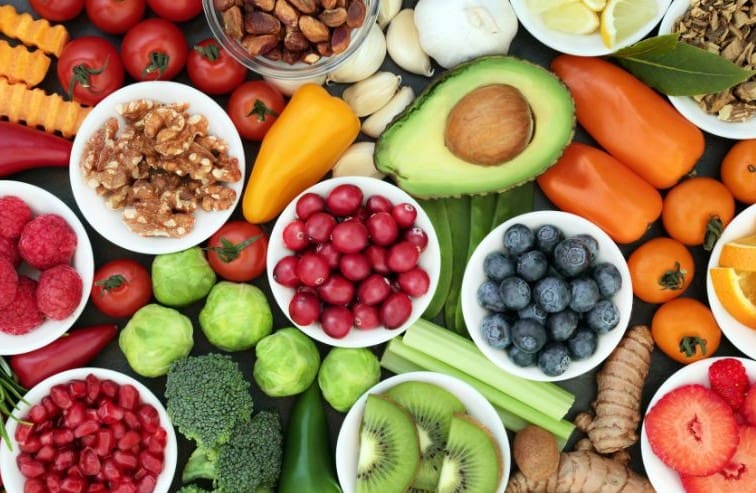
The guidelines also stress the importance of reading nutrition labels, particularly for those managing conditions such as hypertension, cardiovascular disease, or diabetes. Fruits and vegetables should be varied in color, and frozen, dried, or canned options are acceptable if low in added sugars and sodium. Whole grains like oats, quinoa, brown rice, and whole wheat are encouraged, while highly processed foods should be minimized. Alcohol and sodium intake are advised to be limited, with sodium kept below 2,300 milligrams per day.
Overall, the guidelines provide a foundation for healthier eating, supported by educational programs that teach cooking skills, meal planning, and label reading tailored to individual needs and budgets.