By Payton Tholstrup
Photos courtesy of Logan Manor Community Health Service and K-State
In Logan, Kansas, generations are coming together in an unexpected way.
The town is a small, rural community, home to about 431 people. When Logan Manor, the local nursing home, and the K-12 school were struggling, an innovative approach was taken to save both.
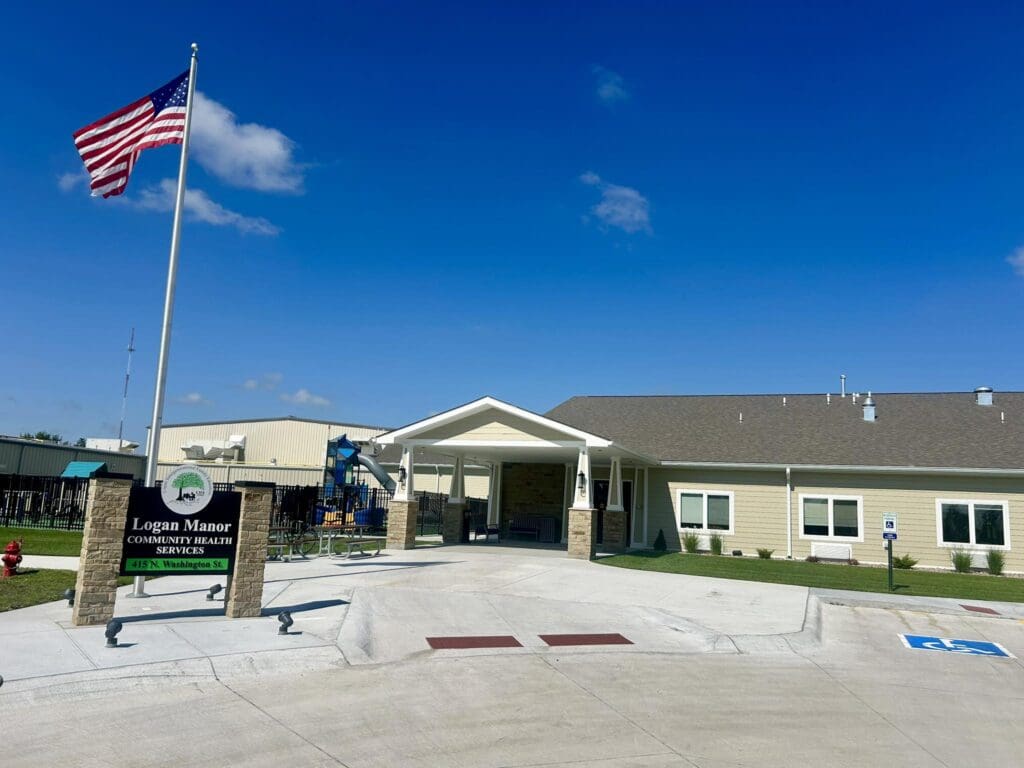
Funded through the Hanson Foundation, a 36-bed nursing home was built and attached to the K-12 school. Named the Logan Intergenerational Family Education Center (LIFE), this unique setup fosters daily interactions between students and residents.
K-State’s Memory and Aging Lab, which focuses on memory and age, is currently studying LIFE and the positive impacts the center is having on both students and residents. The study, called The Logan Project, will be conducted for three years.
A large group of collaborators were brought in to see what quantitative data could be gathered at the center. Then, three areas were chosen to study and gather data on, making the project even stronger.
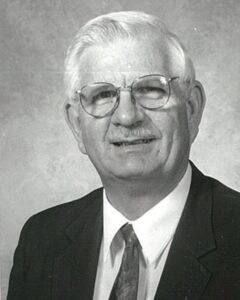
Trase McQueen, Lab Manager, is spearheading the study under the leadership of Dr. Heather Bailey, Associate Professor in the department of Psychological Studies.
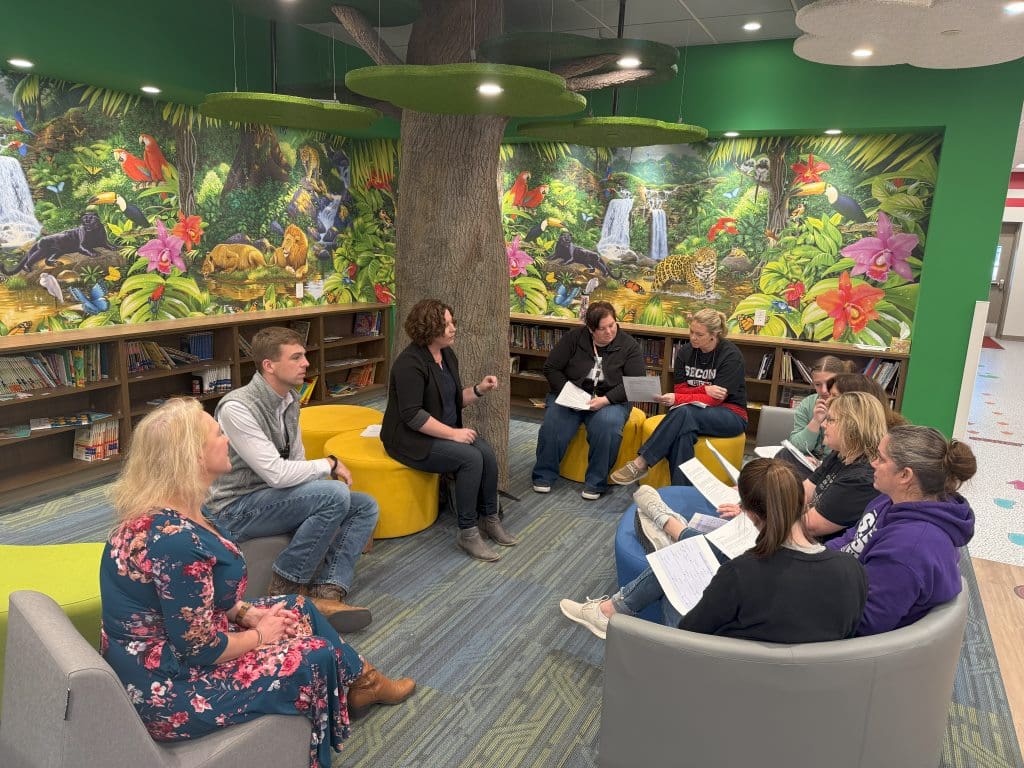
Dr. Bailey’s team evaluates the impact that intergenerational interactions have on the residents’ quality of life, physical health, and cognitive function. Interviews are conducted with residents and staff to learn more about their lived experiences.
Dr. Natalie Barlett is also involved in the study. A child development researcher in the Department of Psychological Sciences at K-State, she is studying students in Kindergarten through Fourth Grade and their perceptions of aging, as well as their social development and academic outcomes.
The third area of study is from an architectural standpoint. Dr. Migette Kaup, from K-State’s College of Architecture, Planning, and Design, is examining how the facility’s physical design supports resident wellbeing and person-centered care.
The overall goal is to understand if intergenerational facilities are a sustainable solution for enhancing the lives of all generations in rural communities.
“Intergenerational programs allow us to care for all stages of life and everyone in the community. They’re a great way for communities to support all generations,” said McQueen. He added that there is literature out there that supports how generations interacting positively with one another has many benefits.
McQueen said for example, sometimes when a resident moves into a nursing home, they become depressed. Often, they socially isolate themselves and become inactive. This can lead to depression and physical health issues, such as pressure sores.
But adding students to the mix changes everything; it encourages residents to socialize. Students interact with residents daily, reading to them and doing activities together.
McQueen shared that as a child, he often viewed nursing homes as a scary place. But the environment at LIFE is unique because it is welcoming for kids, which will hopefully help them have a more positive outlook on aging and nursing homes.
Another benefit for students is they are getting extra support; interacting with residents helps reaffirm they are doing well, which is good for their development.
“Every small town must get creative on how to deal with this problem; nursing homes and schools are crucial parts of a small town,” said McQueen. “Often times, small schools like Logan worry about consolidation, but combing the two has helped. They’re the two biggest employers in town.”
Since the study is only its first year, data isn’t fully complete yet. But one thing is for certain; the community of Logan is already noticing positive changes.
“It has brought a whole new energy into the town, and it’s hard not to get behind it.”